
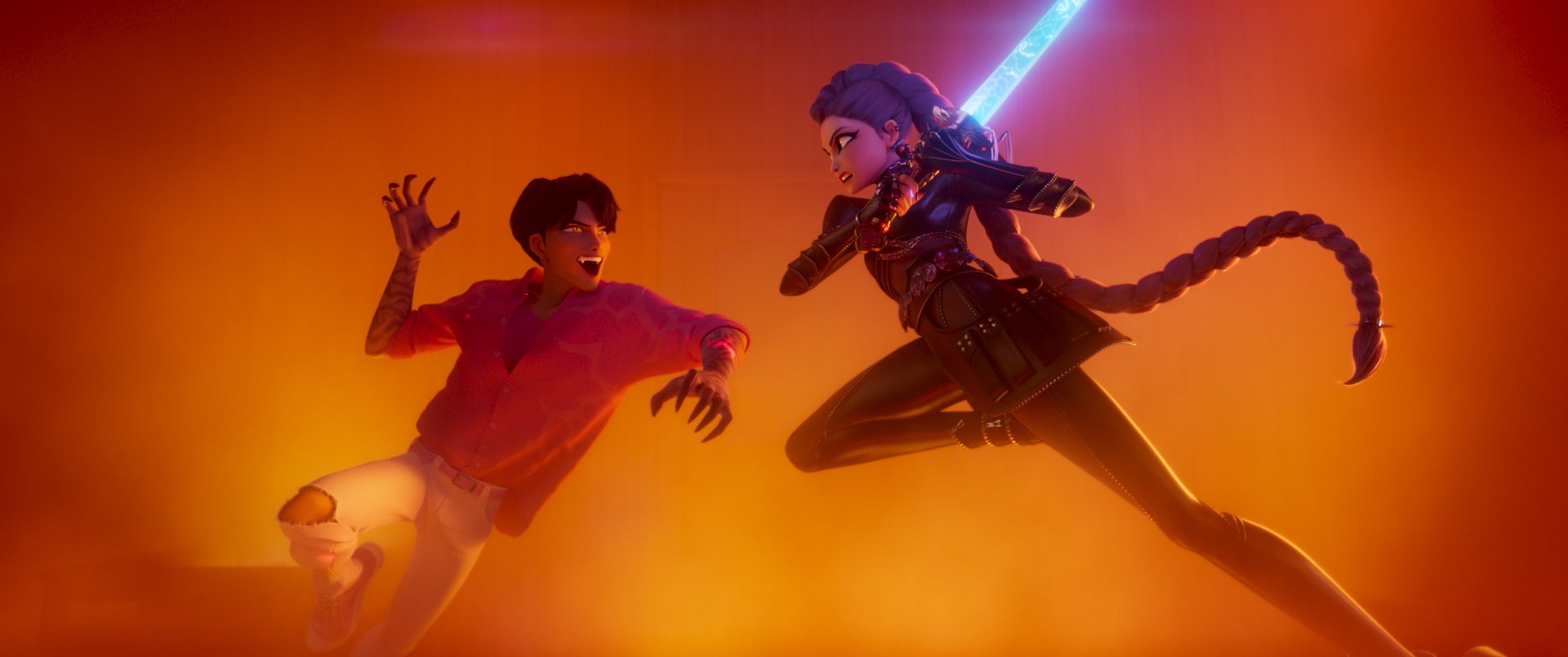


When a movie merges the vibrant excitement of K-pop with supernatural elements, it inevitably garners worldwide attention. This is precisely what occurred with KPop Demon Hunters, a Netflix original that surprisingly captivated audiences internationally. Its achievement wasn’t simply due to dazzling imagery or star appearances—it was the outcome of a strategic mix of cultural movements, narrative creativity, and the continually growing influence of Korean entertainment worldwide.
The story of KPop Demon Hunters begins with its unique premise: a group of K-pop idols who, behind the scenes, battle supernatural forces threatening humanity. On paper, it sounds like an outlandish concept, but it resonated with fans of both fantasy action and Korean pop culture. The film quickly gained traction thanks to the global fanbase of K-pop, which has grown exponentially over the last decade, becoming a dominant force in youth culture across Asia, the Americas, and Europe.
What made the film particularly compelling was how it treated its concept seriously while also leaning into the fun and stylized nature of its source material. The characters were more than just caricatures of pop stars; they were developed with depth, showing vulnerability, ambition, and resilience. Their dual lives as performers and demon hunters offered an engaging metaphor for the pressures of fame, mental health, and identity—topics that resonate deeply with many fans.
The selection of actors significantly contributed to the film’s success. By placing real K-pop idols in the main roles, the movie blended the boundary between make-believe and truth. This choice of actors wasn’t merely a promotional strategy; it enhanced the genuineness of the performances and fostered a real emotional bond with viewers. Audiences already acquainted with these stars were attracted to their acting debuts, while those new to them were captivated by the mix of styles and abilities.
Visually, KPop Demon Hunters amazed with its brilliant cinematography and dance sequences. Each scene intentionally referenced the style of music videos, coupled with lively fight sequences that balanced both the imaginative and the realistic. The production crew effectively blended the high-quality standards of Korean drama and music with the tempo of Western action movies, engaging a wide-ranging global audience.
La banda sonora merece su propio reconocimiento. Integrada de manera fluida en la narrativa, la música realzó los momentos emocionales de la película al mismo tiempo que ofrecía melodías memorables que el público podía disfrutar fuera de la experiencia cinematográfica. Los seguidores reproducían las canciones originales en plataformas como Spotify y Apple Music, amplificando así el impacto cultural del filme.
Beyond the movie itself, releasing it on Netflix in a calculated manner ensured broad access. Subtitles and dubbing in various languages enabled the platform to overcome language obstacles and bring the movie to residences in more than 190 nations. Netflix’s recommendation system, driven by algorithms, also aided KPop Demon Hunters in rapidly locating its intended viewers, transforming casual viewers into enthusiasts.
Cultural timing was crucial in the film’s success. The rising global interest in Korean entertainment—driven by successes such as Squid Game, Parasite, and BTS—has established an advantageous environment for new Korean projects to flourish worldwide. KPop Demon Hunters was released at a time when viewers were more receptive than ever to international narratives, particularly those providing novel viewpoints and top-notch production.
Social media amplified the film’s visibility. Fans took to platforms like TikTok, Instagram, and Twitter to share dance challenges, reaction videos, and fan theories. Hashtags trended within hours of release, creating a ripple effect that turned the film into an online phenomenon. Influencers and pop culture commentators added to the buzz by praising the film’s originality and engaging storytelling.
Reviewers also recognized the movie’s success. Although several mentioned its fusion of genres as a gamble, numerous others commended how it was handled, emphasizing the director’s insight and the dedication of the cast. Critiques observed that the movie did not just ride the wave of K-pop’s fame; rather, it enriched its storytelling aspect, delivering an original narrative that distinguishes itself from standard action or musical productions.
The movie’s triumph also highlights the increasing need for representation and diversity in worldwide media. Viewers nowadays crave narratives that portray various cultures and perspectives. KPop Demon Hunters offered exactly that—not as an oddity, but as an engaging story that secured its spot in mainstream entertainment.
With the excitement still alive, conversations about a possible sequel or spin-off series are already taking place. The finale leaves opportunities for future stories, and considering the film’s positive reception, Netflix is likely to seize this opportunity. If done with the same attention and creativity, another installment could further establish the franchise’s standing in worldwide pop culture.
Ultimately, the rise of KPop Demon Hunters is more than just a story about a successful film. It’s a case study in how entertainment can transcend genres, languages, and formats when it taps into something authentic. By merging the adrenaline of fantasy with the passion of music and the emotional depth of character-driven storytelling, the film has carved out a space that feels both new and familiar—inviting viewers to explore a world where music and magic go hand in hand.
The path from an idea to worldwide success showcases the changing landscape of entertainment in today’s digital world. With services such as Netflix democratizing the reach of stories from around the globe, and viewers being more interconnected than before, KPop Demon Hunters highlights a future where sharing tales across cultures isn’t merely feasible—it’s crucial.