
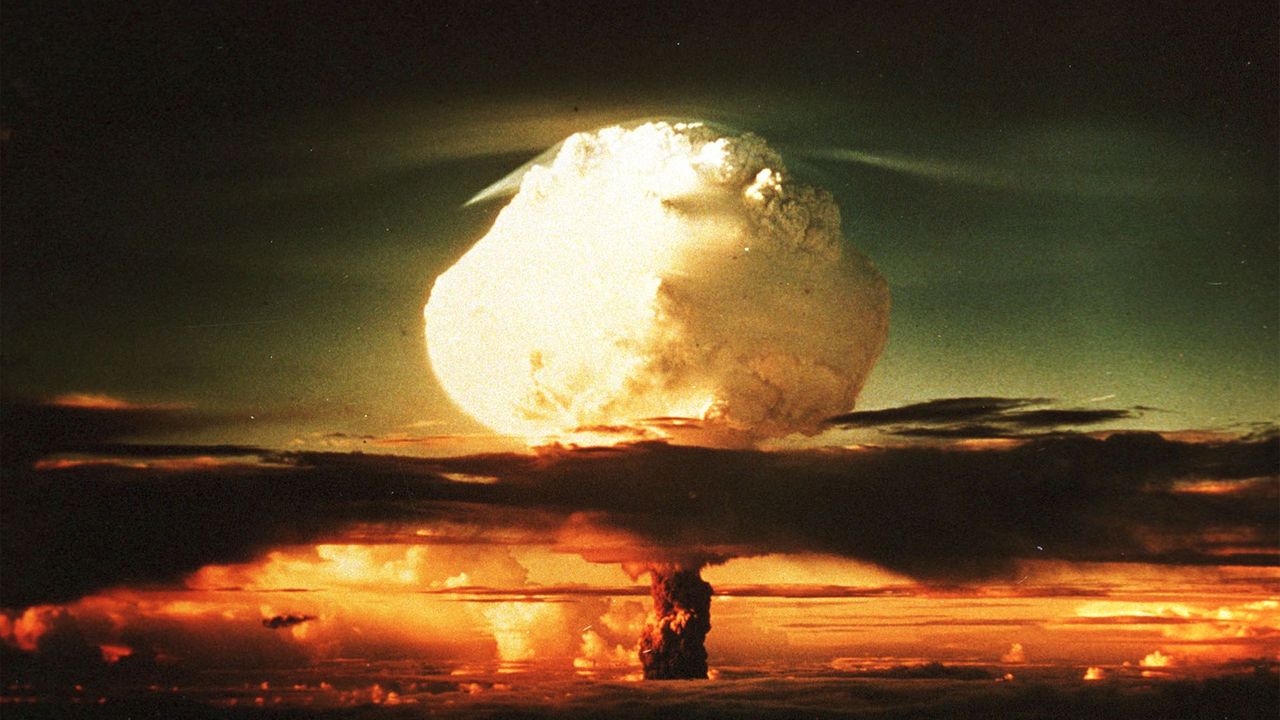


Exposure to radiation is frequently linked to disastrous occurrences, including atomic bomb blasts, nuclear mishaps, and medical procedures. However, it is less frequently mentioned how remnants of these exposures can persist in the human body, acting as quiet indicators of previous interactions with ionizing radiation. These atomic bomb indicators, located at a microscopic scale, provide researchers and doctors with important knowledge about both the historical context of radiation exposure and its enduring biological impacts.
When an atomic bomb detonates, it releases a massive burst of ionizing radiation—energy powerful enough to alter atoms and molecules in living tissue. This radiation comes in several forms, including gamma rays, neutrons, and beta particles. Individuals caught within a certain radius of such explosions or exposed to fallout can absorb varying doses of radiation, which in turn can cause damage to cells and DNA. While the immediate effects, such as burns and acute radiation sickness, are often visible and well-documented, a more subtle legacy remains hidden deep within the body.
One key way researchers detect past radiation exposure is through the presence of radionuclides and other radioactive isotopes that become lodged in bones, teeth, and organs. For example, radioactive isotopes such as strontium-90 and cesium-137, produced during nuclear fission, can enter the body through inhalation, ingestion, or wounds. These isotopes mimic naturally occurring elements and accumulate in certain tissues, effectively becoming “biological markers” of exposure.
Over time, the decay of these radionuclides emits particles or energy that can be measured with specialized instruments, allowing scientists to estimate the amount and timing of radiation absorbed. This method has been used extensively in epidemiological studies involving atomic bomb survivors from Hiroshima and Nagasaki, as well as individuals affected by nuclear testing and industrial accidents.
Beyond isotopes, atomic bomb exposure can also result in long-term molecular changes within cells. Ionizing radiation has the potential to cause disruptions in DNA strands, leading to mutations and various genomic modifications. Numerous alterations like these can remain for many years and might raise the likelihood of cancer and other ailments. With the help of cutting-edge molecular methods, scientists can now detect mutations induced by radiation in tissue samples, constructing a comprehensive account of the exposure’s biological impact.
Interestingly, these radiation indicators are not just of scientific interest. They are crucial in medical diagnostics and treatment. For example, in patients who have received radiation therapy for cancer, finding remaining radioactive particles or evaluating molecular harm aids in planning subsequent care and monitoring. Furthermore, in scenarios of possible radiation exposure, pinpointing internal contamination can decide the urgency and type of medical response needed.
The notion of the human body acting as a living record of radiation exposure also brings up significant questions regarding the monitoring of long-term health. Research involving atomic bomb survivors has shown intricate patterns of delayed effects, such as a higher occurrence of leukemia, thyroid cancer, and heart-related diseases. By linking the presence of internal indicators with clinical results, scientists aim to gain a deeper understanding of these risks and formulate strategies for their prevention and early detection.
Environmental influences add additional complexities. Communities residing in the vicinity of nuclear facilities, uranium extraction sites, or zones impacted by radioactive fallout may gather trace amounts of radionuclides as time progresses. This can lead to a residual “atomic bomb marker” effect, even in the absence of immediate exposure to a blast. Evaluating these nuanced exposures necessitates precise detection techniques and extensive epidemiological research.
Ethical considerations also arise when examining radiation markers within the body. Privacy concerns, potential stigmatization, and the psychological impact of knowing one carries remnants of a nuclear event must be balanced with the benefits of medical knowledge and public health efforts. In communities affected by nuclear disasters such as Chernobyl and Fukushima, addressing these issues is critical to healing and recovery.
On a broader scale, understanding the presence and implications of atomic bomb markers contributes to global nuclear policy and disaster preparedness. Scientific evidence about the persistence and effects of internal radiation exposure informs guidelines for evacuation, decontamination, and medical response following nuclear incidents. It also underscores the lasting human cost of nuclear warfare and accidents, reinforcing efforts toward nonproliferation and disarmament.
Technological progress persists in enhancing our capacity to identify and study radiation markers within the body. Imaging methods, including whole-body counters and sophisticated spectrometry, offer non-invasive options to assess internal contamination. Simultaneously, advancements in genomics and molecular biology expand our knowledge of how radiation affects cells, paving the way for targeted treatments and customized medical approaches.
The story of the atomic bomb marker inside the human body is thus one of both caution and hope. It highlights the enduring legacy of nuclear events on individual health while illustrating how modern science can turn this legacy into knowledge that protects future generations. As research progresses, the interplay between radiation’s invisible traces and their visible consequences will remain a vital area of study, bridging history, medicine, and policy.
The invisible atomic bomb markers residing within the body represent a complex intersection of physics, biology, and public health. They serve as a testament to the profound impact of nuclear events and offer crucial insights for managing the consequences of radiation exposure. By continuing to explore and understand these internal markers, scientists and healthcare professionals contribute to a safer, more informed world—one that remembers the past while striving to prevent similar harms in the future.