
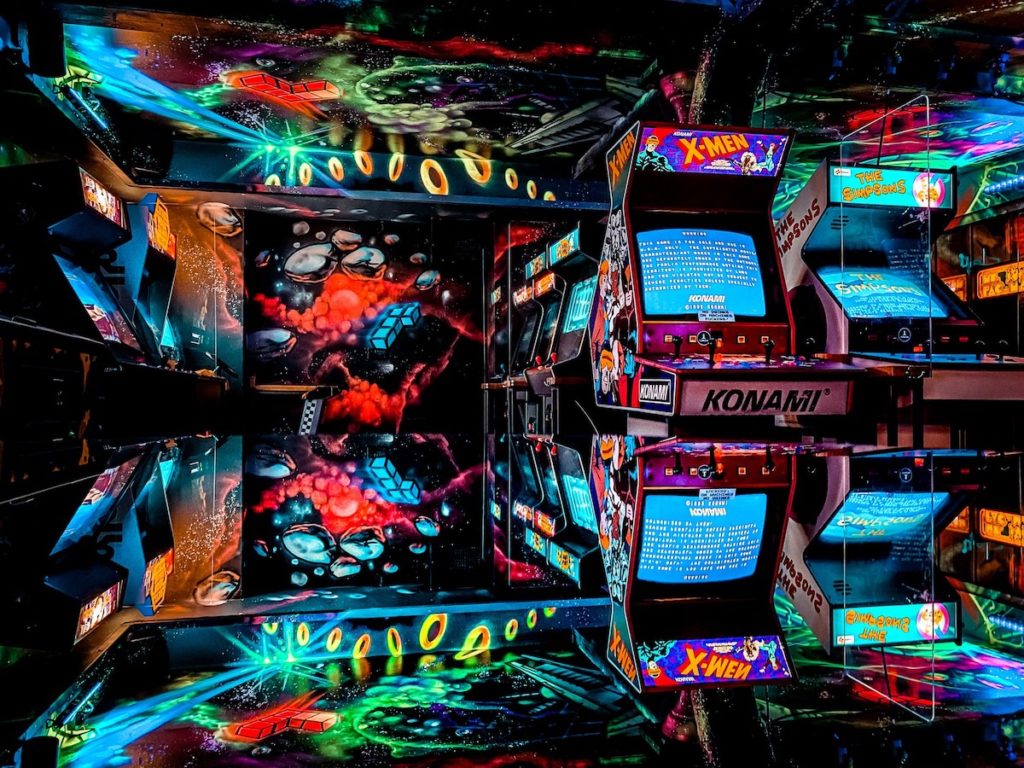


In an era dominated by hyper-realistic graphics and online multiplayer games, there’s something uniquely comforting about the pixelated nostalgia of retro gaming. For many, these arcades offer more than just entertainment—they represent cherished memories and a connection to a simpler time in gaming history. One such venue, which had stood as a beloved destination for classic game enthusiasts, recently faced the threat of imminent closure. But thanks to a groundswell of community support, it managed to keep the lights on and its joysticks moving—at least for now.
The arcade had long been a fixture in its local area, drawing in patrons of all ages with its flashing neon signs, rows of vintage machines, and familiar 8-bit soundtracks echoing through its space. Titles like Pac-Man, Street Fighter II, and Donkey Kong weren’t just games—they were cultural milestones, lovingly preserved and made available for newcomers and lifelong fans alike. Yet despite its cultural value, the business struggled to remain financially viable in today’s competitive entertainment market.
The difficulties that retro arcades encounter are not unfamiliar. Increasing expenses, changes in customer behavior, and the prevalence of home video game systems and mobile applications have all played a role in the worldwide decrease of arcades. For standalone establishments, particularly those focused on the upkeep and restoration of vintage equipment, the challenges can be immense. In this situation, several months of diminished customer visits and rising costs nearly led the arcade to closure.
Information about the possible shutdown rapidly circulated through social media and community news sources, causing a surge of worry among fans. To numerous individuals, the arcade represented more than just a business; it was a vital piece of local culture. Parents who had spent time there as teenagers now took their children to enjoy the games they cherished during their youth. Couples went on first dates amidst the vibrant lighting of arcade machines. Groups of friends met there for contests, celebrations, and simple enjoyment. The thought of losing such a venue resonated deeply with many.
That emotional bond led to tangible actions. Locals, gaming fans, and even ex-staff members united to support the arcade’s survival. Fundraising efforts began, attracting contributions nationwide. Certain individuals committed to regular donations for ongoing costs, while others offered their time and expertise for repairs, promotions, or organizing events. This cooperative endeavor was not merely about raising funds—it transformed into a mission to safeguard a part of common cultural heritage.
Local businesses also participated in the initiative by providing sponsorships or setting up fundraising events to highlight the challenges faced by the arcade. Events such as retro gaming nights, trivia competitions, and themed parties attracted fresh visitors, boosting enthusiasm for the establishment. During this time, the arcade’s team started considering innovative ways to align with current consumer trends, like introducing membership options, organizing private gatherings, or including contemporary indie games along with the traditional ones.
The immediate threat of closure has now been averted, but the road ahead remains uncertain. While the outpouring of support was enough to stabilize operations in the short term, the arcade’s long-term survival depends on sustainable growth and continued community engagement. The owners have acknowledged the need for innovation, recognizing that preserving nostalgia also requires evolving with the times.
This situation highlights a broader trend in the preservation of analog entertainment experiences. Across the globe, similar arcades, drive-in theaters, and vintage cinemas are fighting to stay open in a world increasingly driven by convenience and digital consumption. Their survival often hinges not on profitability alone, but on the willingness of communities to support them as living institutions.
There’s a reason retro gaming continues to attract devoted fans even in the age of virtual reality and AI-powered gameplay. The tactile feel of an arcade button, the competitive thrill of a two-player faceoff, and the vibrant aesthetic of pixel art offer a unique form of joy that modern gaming sometimes overlooks. These experiences are deeply human—shared, social, and sensory—and they serve as a bridge between generations.
The preserved arcade now serves as a symbol of what can be achieved when dedication and the community unite. It is a narrative of determination, where individuals rally not just to rescue a structure or company, but to safeguard memories, experiences, and a feeling of belonging. The message is evident: when something valuable is threatened, people will rise up to defend it.
In the future, the arcade administration aims to convert this success into a lasting business strategy. This involves building alliances with educational institutions and groups for young individuals to endorse the history of gaming, working alongside artists and musicians from the community for special events, and incorporating learning components into the area, like programming classes or engaging displays detailing the development of video games.
The journey from near-closure to renewed purpose hasn’t been easy, but it has reignited interest and sparked a renewed appreciation for the arcade’s value. It’s not just about playing old games—it’s about preserving a culture, honoring the past, and adapting to a future where entertainment is increasingly digitized and dispersed.
As long as there are players eager to drop a coin into a machine and press «start,» there’s hope for retro gaming arcades. They may never dominate the entertainment industry again, but their role as nostalgic havens and cultural touchstones remains vital. The recent rescue of this particular arcade serves as both a victory and a reminder: some things are worth fighting for, one game at a time.