
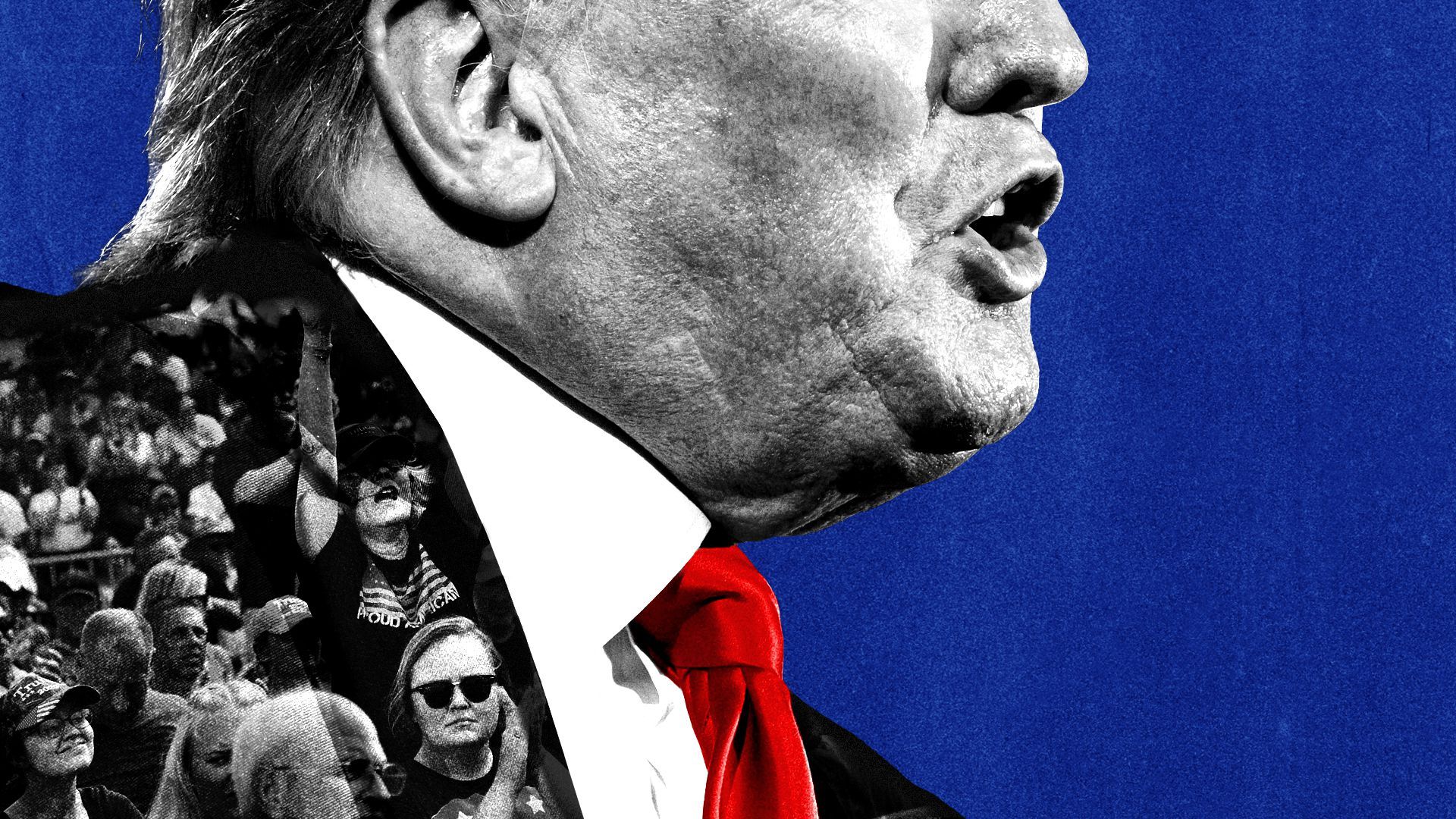


In a move that stirred immediate reactions across Washington, former President Donald Trump dismissed the director of the Bureau of Labor Statistics (BLS) just hours after a jobs report revealed slower-than-expected employment growth. The decision sparked conversations about political pressure, economic messaging, and the future of data integrity within federal institutions.
The Bureau of Labor Statistics plays a crucial role in the U.S. government, collecting and reporting data that informs decisions on interest rates, economic policy, and employment trends. The monthly jobs report, in particular, is considered a key indicator of the country’s economic health. When the most recent report showed disappointing numbers — with job creation falling short of predictions — the reaction was swift and far-reaching.
The announcement of the BLS director’s removal came shortly after the data went public. Though no official reason was provided immediately, many observers connected the dismissal directly to the underwhelming figures. The timing led to speculation that the former president was dissatisfied with the report’s optics and wanted to redirect the narrative surrounding the state of the economy.
Critics of the decision contend that dismissing a long-standing official for sharing data that shows actual economic realities jeopardizes the reliability of government statistics. They caution that making a government agency like the BLS politically influenced could weaken public confidence in labor market data that companies, investors, and lawmakers depend upon.
Proponents of the action, conversely, argued that altering the agency’s leadership was essential for introducing new supervision and improvements. Certain Trump supporters expressed that they had doubted the precision and techniques of labor data gathering for some time, interpreting the removal as part of a larger initiative to enhance accountability within government organizations.
Nevertheless, the situation underscores the persistent conflicts between political leaders and the civil service. The BLS is typically regarded as impartial, and its staff members are anticipated to operate without political interference. Past administrations have usually honored the agency’s independence, even when the findings contradicted political rhetoric.
This event is not the first time economic data has become a flashpoint in national debates. In times of economic uncertainty — especially during election seasons — figures like unemployment rates and job growth numbers are often used as measures of an administration’s success or failure. That makes any negative report a potential political liability, especially for a leader who has focused heavily on economic performance.
Experts assert that the precision of employment statistics relies on meticulous data gathering, comprehensive methodology, and stable leadership. Abrupt changes in personnel, particularly as a response to a single report, can interrupt ongoing projects and decrease morale among professional staff. It might also deter specialists from accepting government roles if their positions are perceived as susceptible to political consequences.
The removal of the BLS head has prompted broader discussions about how economic information should be communicated to the public. Many economists and former government officials are urging for safeguards to protect the integrity of statistical agencies. Some have proposed stronger legal protections for data officials, ensuring that they cannot be dismissed for political reasons without cause.
As the labor market continues to face challenges — including shifts in workforce participation, inflation pressures, and sector-specific weaknesses — reliable data will be more important than ever. Businesses base hiring plans, wages, and investment strategies on information from agencies like the BLS. Disruptions in data integrity could lead to broader instability.
The employment figures indicated a deceleration in recruitment, particularly in sectors that had previously exhibited signs of robust recovery. The increase in wages was also not as high as anticipated, and there was a slight rise in the unemployment rate. Although these modifications are not significant in a long-term perspective, they challenge previous optimism regarding the speed of the recovery.
For many Americans, the data reflected ongoing economic anxiety. While some sectors have rebounded, others continue to struggle with workforce shortages, automation, and shifting demand. Small business owners, in particular, expressed concern about the uncertainty ahead.
The White House chose not to offer a direct statement regarding the dismissal, preferring to highlight its economic programs and ongoing plans for job growth. Officials from the administration highlighted their initiatives to back infrastructure developments, enhance career education, and fund manufacturing efforts — areas expected to impact future employment statistics.
For now, an interim director is expected to lead the Bureau of Labor Statistics until a new appointment is confirmed. Observers will be watching closely to see how the agency’s work proceeds and whether further changes are made. Meanwhile, economists and public policy advocates continue to debate how to balance transparency, accuracy, and political neutrality when it comes to the country’s most important labor data.
In the coming months, new reports will shed light on whether the recent numbers were a temporary dip or the start of a broader trend. What remains clear is that how these figures are presented — and who presents them — will carry increasing weight in the national conversation.