
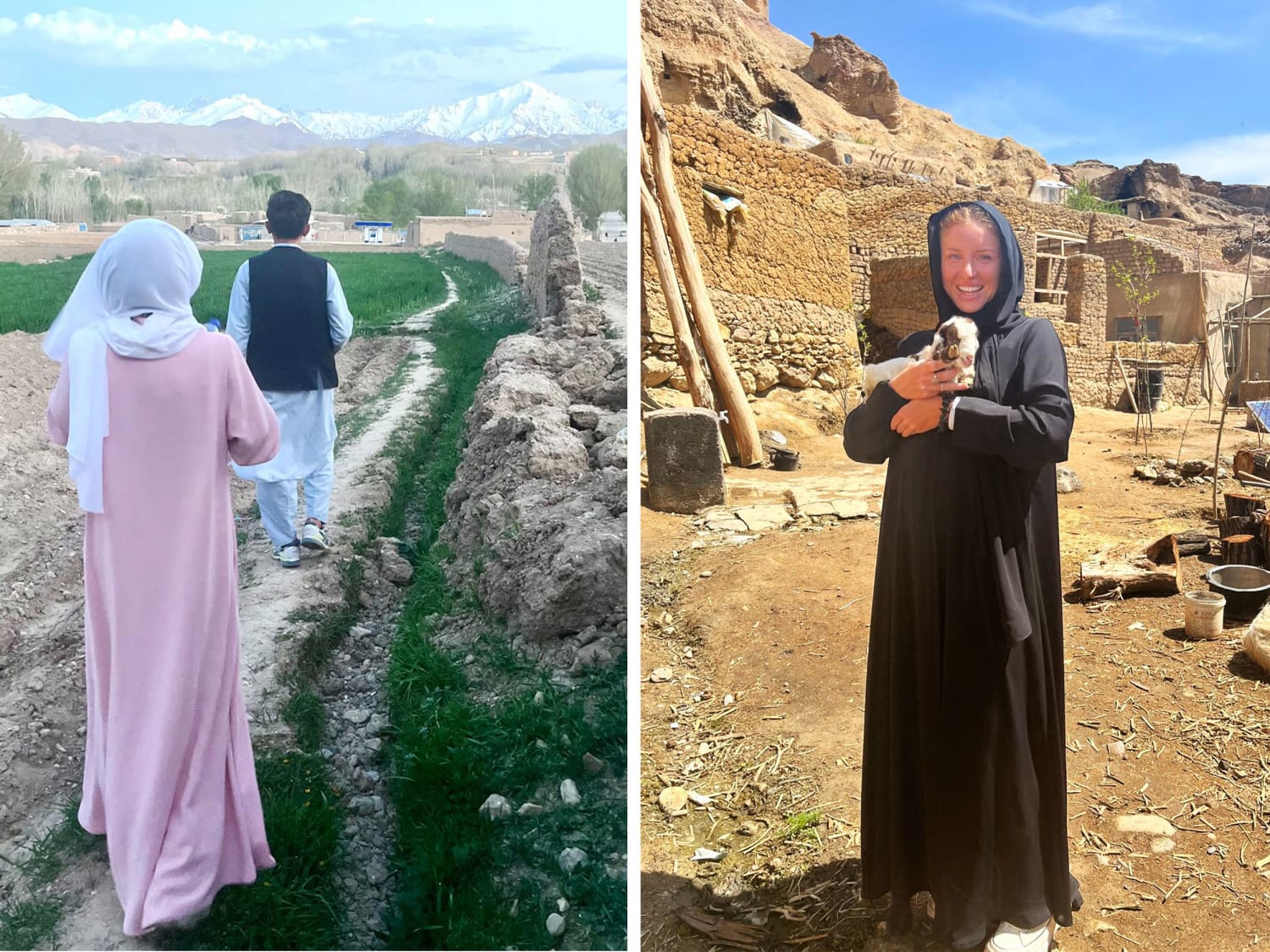


In recent months, Afghanistan—now governed by the Taliban—has seen a surprising resurgence of attention from global travelers, driven in large part by travel influencers on social media platforms. These digital content creators, through their videos, photographs, and narratives, have sparked curiosity and inspired a niche community of adventurous tourists to explore a country long associated with conflict and instability.
Despite widespread concerns about security and human rights under Taliban rule, some influencers have portrayed Afghanistan’s rich cultural heritage, breathtaking landscapes, and historic sites in a new light. By sharing immersive experiences from cities such as Kabul, Herat, and Bamiyan, they have highlighted the country’s centuries-old traditions, architectural marvels, and natural beauty—elements often overshadowed by headlines of political turmoil.
The occurrence is a component of a wider movement in the tourism sector, where individuals with strong social media presence have considerable influence over destination preferences. Their capacity to engage millions of followers through engaging and genuine narratives has turned isolated or previously inaccessible places into new tourist attractions. Afghanistan, formerly considered too hazardous for the majority of tourists, is currently appealing to a minor yet expanding number of adventurous visitors inspired by these digital narratives.
Many influencers emphasize interactions with local communities, showcasing Afghan hospitality, cuisine, and crafts, which challenge prevailing stereotypes about life under the Taliban. By documenting visits to bazaars, religious sites, and rural villages, they provide a nuanced perspective that balances awareness of risks with an appreciation for the country’s cultural fabric.
However, the increase in travel interest raises complex questions about safety, ethics, and the implications of tourism in a region governed by a regime with a controversial human rights record. International travel advisories continue to warn against non-essential visits to Afghanistan, citing risks including kidnapping, terrorism, and repression. Governments, NGOs, and security experts caution travelers to exercise extreme caution and conduct thorough risk assessments before planning trips.
The influence of travel influencers on the promotion of tourism to Afghanistan has generated discussion within the industry and among decision-makers. Proponents claim that well-managed travel can enhance cross-cultural appreciation, offer local communities economic prospects, and counteract simplistic images of nations affected by conflict. Advocates for responsible tourism emphasize the significance of honoring local regulations, traditions, and sensitivities, particularly in areas with unstable political situations.
On the other hand, detractors worry that portraying travel to areas under Taliban control in a glamorous light might unintentionally minimize safety hazards or overlook the current struggles of at-risk groups, especially women and minorities. Additionally, there is concern regarding the insufficient infrastructure and support networks available for tourists, potentially placing them in considerable danger during emergencies.
Tour operators specializing in Afghanistan travel have reported a cautious but notable uptick in inquiries and bookings. Some niche adventure travel companies have started offering curated itineraries focusing on cultural heritage and natural exploration, often accompanied by expert guides familiar with the region’s security landscape. These services emphasize stringent safety protocols and close coordination with local contacts to mitigate risks.
The resurgence of tourism interest also highlights Afghanistan’s historical status as a crossroads of civilizations and a land of immense geographical diversity. From the snow-capped peaks of the Hindu Kush mountains to the ancient Buddhist caves of Bamiyan and the bustling markets of Herat, the country holds unique attractions that appeal to travelers seeking off-the-beaten-path experiences.
Economic experts suggest that increased tourism, if managed carefully, could provide vital revenue streams for communities struggling with poverty and instability. The local hospitality sector, including guesthouses, restaurants, and craft artisans, stands to benefit from even modest growth in visitor numbers. However, sustainable development of tourism infrastructure remains a challenge given the country’s ongoing political and security constraints.
International organizations working in Afghanistan emphasize the need for balanced approaches that protect human rights while supporting economic resilience. Some have called for engagement with local stakeholders to establish ethical tourism practices that prioritize community welfare and minimize negative social impacts.
The Taliban’s approach to tourism is both careful and occasionally inconsistent. Although some representatives have shown a willingness to encourage visits to the country’s cultural attractions, limitations on women’s roles in society, restrictions on free speech, and strict adherence to religious norms continue to influence the tourism landscape. These aspects make expansive tourism development challenging.
As travel influencers continue to shape perceptions of Afghanistan, the coming months will reveal how this digital-driven interest translates into real-world impacts. Observers note that tourism to Taliban-run Afghanistan is likely to remain a niche segment, attracting primarily highly experienced and risk-tolerant travelers.
The interplay between digital media, geopolitics, and tourism in Afghanistan underscores the evolving nature of global travel trends. While the country’s future remains uncertain, the power of storytelling through social platforms is undeniably reshaping how remote and complex destinations are viewed and accessed in today’s interconnected world.