
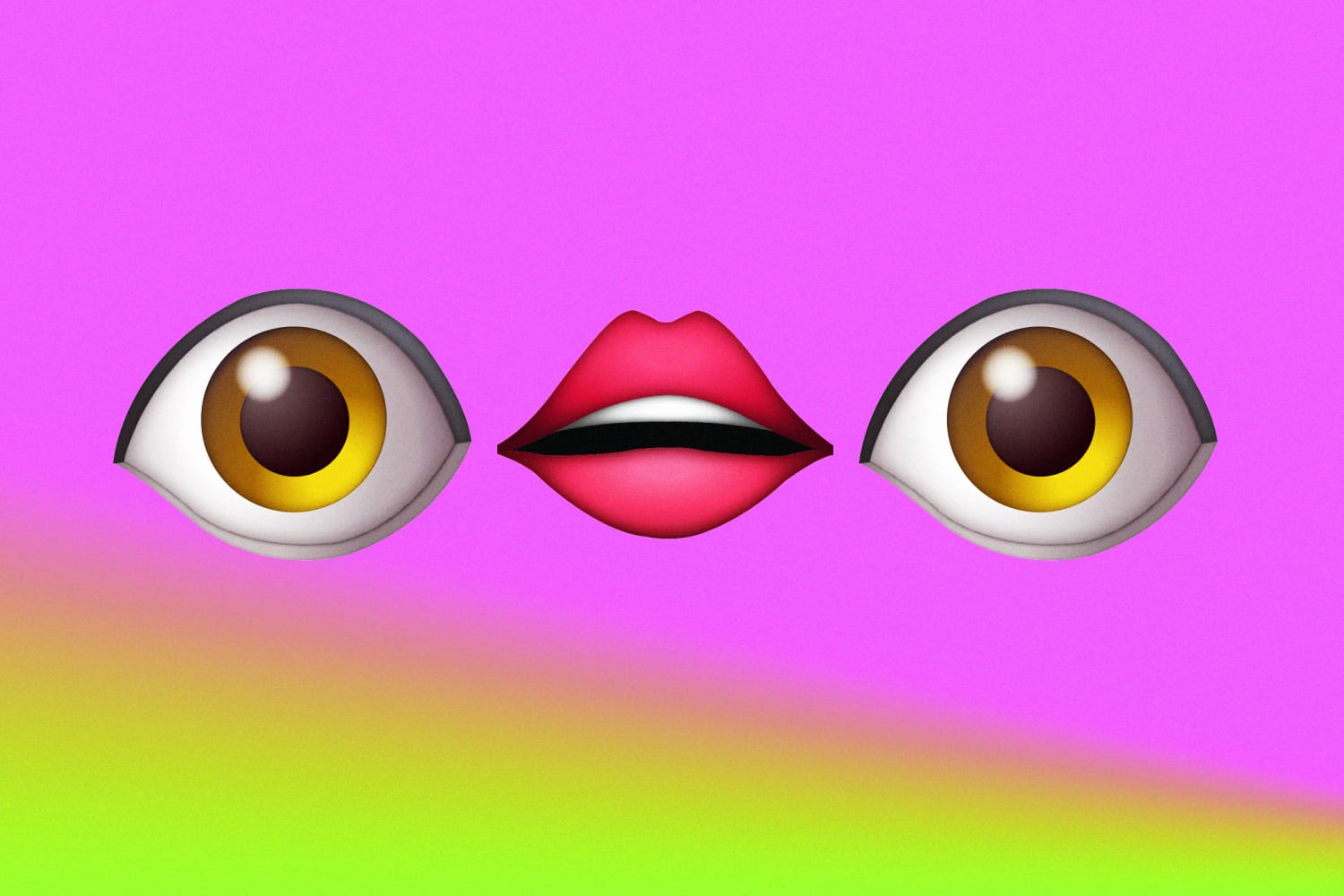


In a time characterized by endless scrolling and short attention spans, one remarkable tendency among Generation Z is their steady, direct eye gaze. Both on social platforms and face-to-face, it has been observed that Gen Z is not hesitant to maintain eye contact. Although some might find it intense or uncomfortable, this generational habit signifies profound transformations in cultural principles, communication standards, and the digital environment that influenced their development.
This generational shift goes beyond simple social awkwardness or self-awareness. It speaks to how Gen Z is renegotiating the rules of engagement—visually, emotionally, and socially—in a hyper-connected world.
Nurtured in an environment dominated by smartphones and constantly under the gaze of cameras since childhood, Gen Z (generally considered to include those born from 1997 to 2012) was raised in a world where observation is perpetual. In contrast to older generations who gradually adjusted to online self-representation, Gen Z has been managing constructed identities from a young age. This experience has probably led to their familiarity—or at the very least, their skilled comfort—with making eye contact, particularly when mediated by screens.
On networks such as TikTok, lingering looks directed at the camera have almost turned into a form of performance, representing openness, genuineness, or a sense of humor. It’s more than about visibility; it’s about managing perception. The gaze of Gen Z transforms into an instrument, a declaration of presence, and frequently, a creative decision.
In contrast to millennials, who perhaps mastered the art of the “candid” gaze away from the camera in selfies or embraced irony, Gen Z tends to prefer a more straightforward approach. Whether through memes, brief video clips, or real-time reaction content, their communication style emphasizes openness. When they maintain eye contact, especially in videos using the front-facing camera, it is intentional. This forms part of a broader aesthetic where silence, awkward moments, or even unease are reinterpreted as genuine authenticity.
This visual directness also dovetails with broader generational traits. Gen Z tends to value honesty, mental health advocacy, and challenging social norms. In that context, the fixed gaze isn’t just a look—it’s a confrontation with the viewer, asking them to sit with something uncomfortable or real, even in a 15-second clip.
While the stare may appear confident or even confrontational, some psychologists suggest it could also be a coping mechanism. Many members of Gen Z report high levels of anxiety, and their comfort with eye contact on camera may be a paradoxical result of digital detachment. Speaking to a lens isn’t the same as speaking face-to-face. This virtual filter might make it easier to hold a gaze that would be challenging in person.
Others suggest that this behavior is shaped by growing up in an era of relentless surveillance—by peers, institutions, and strangers online. The response? Meet the gaze head-on. In this sense, Gen Z’s staring habit could be read as an act of reclaiming agency. Rather than avoiding the gaze of others, they control it.
Beauty decisions and cultural impact
Gen Z’s behavior doesn’t exist in a vacuum. Popular creators, influencers, and even fashion photographers have reinforced the norm of long, unbroken eye contact. Slow zooms on expressionless faces, intimate lighting, and raw angles—all amplify the emotional impact of a simple stare. In short, it’s become a visual shorthand for vulnerability or irony.
This cultural style also questions what older generations deemed visually appealing or courteous. Whereas Baby Boomers and Gen X emphasized appearance and manners, Gen Z prefers authenticity and often disrupts traditional boundaries. Their way of expressing themselves focuses less on flawlessness and more on authenticity—regardless if that authenticity comes across as awkward, heartfelt, or unemotional.
The impact on interpersonal communication
Offline, this behavior is altering the perception of social interactions. Some teachers, employers, and older individuals are taken aback when someone from Gen Z maintains intense eye contact during a discussion, or conversely, when they seem uninterested in face-to-face interactions but are very expressive on the internet. This divide between digital and real-life identities frequently blurs the distinction between genuine expression and acting.
Still, it would be reductive to dismiss the behavior as rude or narcissistic. In many ways, it reflects a generation’s adaptation to an ever-watching world. What may be interpreted as staring could simply be a visual translation of Gen Z’s desire to be understood on their own terms.
Tearing down the fourth wall—across all platforms
The cultural phenomenon of Gen Z’s unblinking gaze goes hand-in-hand with their penchant for breaking the fourth wall. In everything from TikTok rants to workplace video calls, there’s a recurring theme: talk directly to the viewer, look them in the eye, and make the moment feel personal. It creates an intimate connection, whether the speaker is a stranger or a friend.
Within a crowded digital landscape, establishing closeness serves as a crucial distinguishing factor. Companies and media producers now deliberately emulate this approach, utilizing direct eye engagement to build confidence or form one-sided connections with viewers. To a great extent, Gen Z is spearheading the transformation of the concept of “genuine” in the realm of visual communication.
A new social language
Ultimately, the way Gen Z uses their gaze reveals a broader generational ethos. It’s a language of directness, shaped by technology and cultural shifts. In an environment saturated with information, holding someone’s gaze—virtually or physically—becomes a way to cut through noise, even without words.
Their gaze may be steady, ironic, or searching, but it invites attention and invites dialogue. It isn’t simply a quirk or a meme trend—it’s a statement about presence, identity, and the desire to connect, even in the fragmented world of digital communication.
As previous generations begin to decipher these fresh visual signals, the prolonged, silent gaze typical of Gen Z could become an encouragement, not a confrontation: to take a slower pace, reflect, and relate to one another from a different perspective.