


Investigating the possibilities of bacteriophages: How these viruses may aid in combating antibiotic resistance
In a world where the menace of bacteria resistant to antibiotics is significant, more scientists are exploring an unexpected partner in the battle against superbugs—viruses. However, not the type that cause human diseases. These are bacteriophages, also known as «phages,» which are viruses that exclusively invade and eradicate bacteria. Previously overlooked due to the triumph of antibiotics, phage therapy is currently being reconsidered as a potential substitute as the medical field faces the challenge of drug resistance.
The notion of employing viruses to combat bacterial infections might appear unusual, yet it is based on scientific principles established more than 100 years ago. Phages were initially identified by British bacteriologist Frederick Twort and French-Canadian microbiologist Félix d’Hérelle in the early 1900s. Although the concept gained traction in certain areas of Eastern Europe and the ex-Soviet Union, the introduction of antibiotics in the 1940s caused phage research to decline in prominence within Western medical practices.
Ahora, con la resistencia a los antibióticos transformándose en una crisis de salud mundial, el interés en los fagos está resurgiendo. Cada año, más de un millón de personas en todo el mundo fallecen a causa de infecciones que ya no responden a los tratamientos habituales. Si esta tendencia persiste, esa cifra podría ascender a 10 millones al año para 2050, poniendo en riesgo muchos aspectos del cuidado médico moderno, desde cirugías comunes hasta terapias contra el cáncer.
Phages provide a distinct answer. In contrast to broad-spectrum antibiotics, which eliminate both harmful and beneficial bacteria without distinction, phages exhibit high specificity. They attack particular bacterial strains, leaving nearby microorganisms unaffected. This accuracy not only minimizes unintended harm to the body’s microbiome but also aids in maintaining the long-term efficacy of treatments.
One of the most exciting aspects of phage therapy is its adaptability. Phages reproduce inside the bacteria they infect, multiplying as they destroy their hosts. This means they can continue to work and evolve as they spread through an infection. They can be administered in various forms—applied directly to wounds, inhaled to treat respiratory infections, or even used to target urinary tract infections.
Research laboratories worldwide are investigating the healing possibilities of phages, and a few are welcoming public involvement. Researchers at the University of Southampton participating in the Phage Collection Project aim to discover new strains by gathering samples from common surroundings. Their goal is to locate naturally existing phages that can fight against tough bacterial infections.
The procedure for identifying useful phages is both unexpectedly simple and scientifically meticulous. Participants gather samples from locations such as ponds, compost piles, and even unflushed toilets—any spot where bacteria prosper. These samples are filtered, processed, and then tested with bacterial cultures from actual patients. If a phage in the collection destroys the bacteria, it might be considered for future treatment.
What makes this approach so promising is its specificity. For example, a phage found in a home environment might be capable of eliminating a strain of bacteria that is resistant to multiple antibiotics. Scientists analyze these interactions using advanced techniques such as electron microscopy, which helps them visualize the phages and understand their structure.
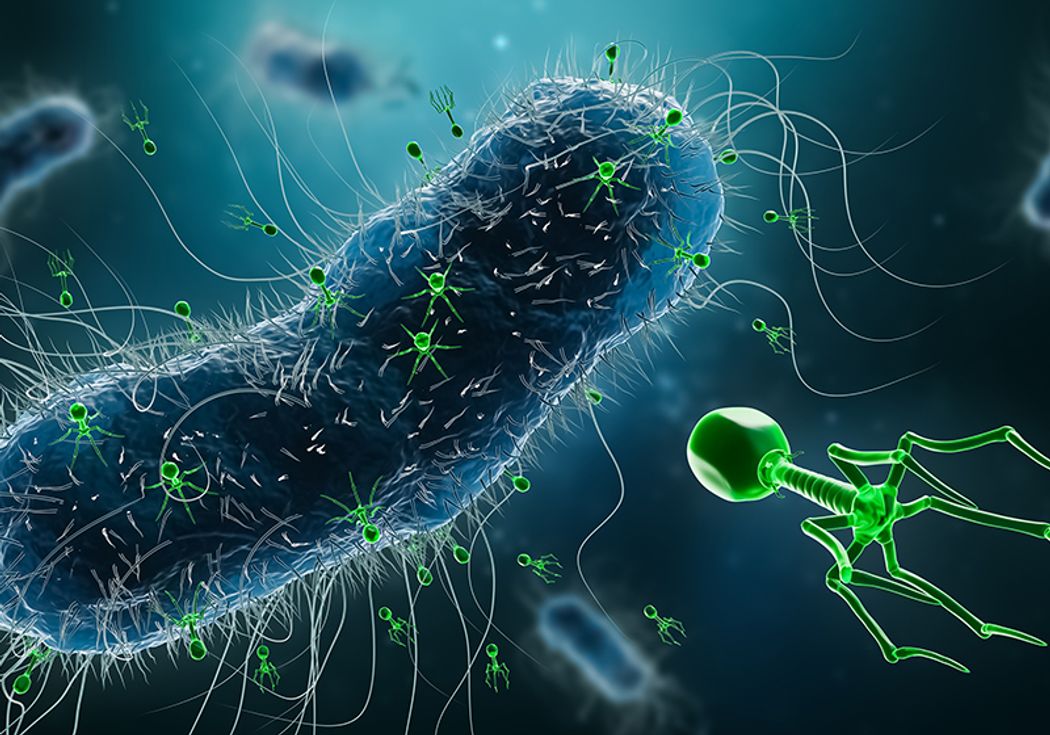
Under a microscope, phages appear nearly extraterrestrial. Their form is similar to that of a spacecraft: a head packed with genetic content, thin legs for clinging, and a tail designed to inject their DNA into a bacterial cell. Once within, the phage overtakes the bacterium’s operations to reproduce, eventually leading to the destruction of the host.
But the journey from discovery to treatment is complex. Each phage must be matched to a specific bacterial strain, which takes time and testing. Unlike antibiotics, which are mass-produced and broadly applicable, phage therapy is often tailored to the individual patient, making regulation and approval more intricate.
Despite these obstacles, regulatory authorities are starting to embrace the advancement of phage-oriented therapies. In the UK, phage treatment is currently allowed on compassionate grounds for those patients who have no remaining traditional options. The Medicines and Healthcare products Regulatory Agency has additionally issued official recommendations for phage development, indicating a move towards broader acceptance.
Experts in the field stress the importance of continued investment in phage research. Dr. Franklin Nobrega and Prof. Paul Elkington from the University of Southampton emphasize that phage therapy could provide vital support in the face of increasing antibiotic resistance. They highlight cases where patients have been left with no effective treatments, underscoring the urgency of finding viable alternatives.
Clinical trials are still needed to fully validate phage therapy’s safety and efficacy, but there is growing optimism. Early results are encouraging, with some experimental treatments showing success in clearing infections that had previously defied all conventional antibiotics.
Beyond its possible applications in medicine, phage therapy introduces a fresh approach to involving the public in scientific endeavors. Initiatives such as the Phage Collection Project encourage individuals to participate in scientific research by gathering environmental samples, fostering a sense of participation in addressing one of the critical issues of our era.
This grassroots approach could be pivotal in uncovering new phages that hold the key to future treatments. As the world confronts the growing threat of antibiotic resistance, these microscopic viruses may prove to be unlikely heroes—transforming from obscure biological curiosities into essential tools of modern medicine.
Looking ahead, the hope is that phage therapy could become a routine part of the medical toolkit. Infections that today pose a serious risk might one day be treated with precision-matched phages, administered quickly and safely, without the unintended consequences associated with traditional antibiotics.
The journey ahead will necessitate collaborative actions in the realms of research, regulation, and public health. However, armed with the tools of molecular biology and the zeal of the scientific community, the promise of phage therapy to transform infection management is tangible. What was once a disregarded scientific notion may shortly become central in the fight against antibiotic-resistant diseases.