
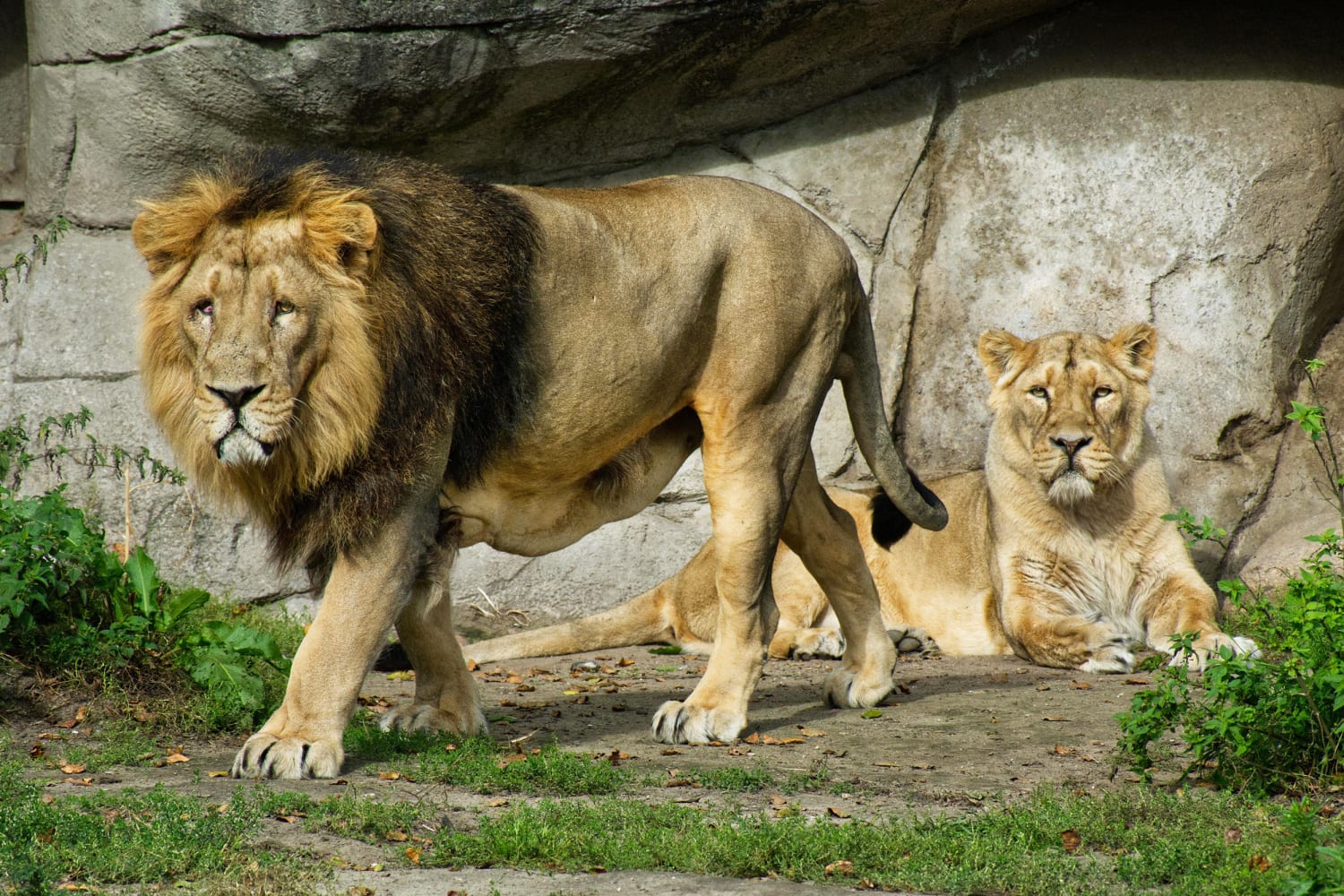


A zoo in Denmark has sparked a controversial debate by proposing that unwanted domestic pets could be repurposed as food for its captive animals. This suggestion comes in response to increasing numbers of abandoned pets, reflecting broader challenges related to pet ownership, animal welfare, and ecological balance.
The suggestion from the zoo underscores an escalating issue encountered by numerous animal shelters and rescue centers: the increase in abandoned or neglected pets arising from factors such as financial difficulties, changes in personal circumstances, and insufficient readiness for responsible pet care. As the number of these animals rises, identifying compassionate and viable solutions becomes increasingly urgent.
The organization proposes utilizing some of these abandoned animals as nourishment for the zoo’s meat-eating species, aiming to tackle the ethical concerns of rehoming unwanted pets and simultaneously meet the dietary requirements of its fauna. This plan aims to diminish waste, minimize the ecological footprint of acquiring traditional animal feed, and offer a sustainable option in harmony with natural food webs.
This approach, however, has met with mixed reactions from the public, animal rights advocates, and ethical experts. Supporters argue that it offers a pragmatic response to an unfortunate reality, ensuring that animals do not go to waste and that captive predators receive a diet closer to their natural prey. They emphasize that the practice would follow strict veterinary and safety standards to prevent disease transmission.
Opponents, conversely, voice unease about the idea of utilizing domestic animals in this way, citing both ethical and sentimental issues. For numerous individuals, pets are regarded with particular significance, and the possibility of their usage as livestock challenges societal beliefs about the inviolability of these animals and connections between humans and animals. Detractors additionally caution about the danger of making pet desertion more acceptable if these practices were to become common.
The debate also touches on legal and regulatory frameworks governing animal welfare and zoo management. Authorities may need to clarify guidelines around the treatment of surrendered animals and the use of unconventional feed sources in zoological settings. Transparency and public engagement will be vital to ensuring ethical compliance and social acceptance.
Beyond the immediate controversy, the situation underscores the need for greater efforts in responsible pet ownership education, accessible veterinary care, and support systems to prevent abandonment. Strengthening community awareness and implementing preventative measures can reduce the incidence of unwanted animals and alleviate pressure on shelters and zoos alike.
The proposal from the Danish zoo encourages a deeper contemplation on the human duties towards both household animals and the conservation of wildlife. It provokes society to think about balancing empathy, practicality, and ecological truths in handling the overlap between human and animal existence.
As pet abandonment continues to pose challenges globally, innovative but sensitive solutions are required to protect animal welfare and ecosystem health. Open dialogue among stakeholders, including policymakers, animal welfare groups, and the public, is essential to navigate these complex issues responsibly.
The Danish zoo’s proposal has sparked a conversation regarding sustainability in animal care and the moral limits of human involvement. Reaching an agreement on these topics will influence upcoming guidelines and methods concerning both household pets and conservation initiatives.