
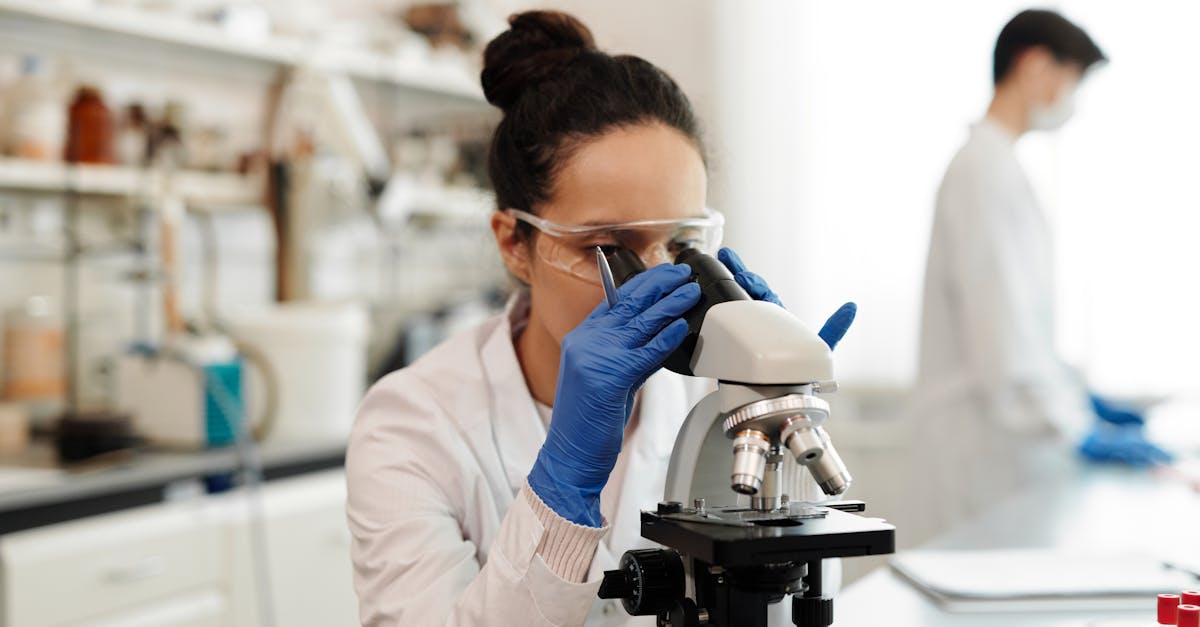


The movement toward a more sustainable future has rapidly fueled the rise of the bioeconomy, a field dedicated to leveraging renewable biological resources to generate food, materials, energy, and a wide range of other products and services. For entrepreneurs, the bioeconomy presents groundbreaking possibilities to create profitable businesses while confronting critical global issues including climate change, dwindling resources, and food security.
Exploring the Bioeconomy: Its Reach and Influence
The bioeconomy refers to industries that make sustainable use of biological resources such as plants, animals, microorganisms, and the materials derived from them, extending across fields like agriculture, forestry, fisheries, food production, biotechnology, bioenergy, and green chemistry, and the Organization for Economic Cooperation and Development reports that this global sector recently exceeded $2 trillion in value and is expected to expand considerably in the near future.
This broad sector allows entrepreneurs to explore emerging value chains, harness progress in biotechnology, and build inventive business models that set them apart from conventional, fossil-dependent industries.
Major Prospects Emerging for Entrepreneurs Within the Bioeconomy
1. Sustainable Agriculture and Food Innovation As the global population heads toward 10 billion by 2050, the pressure on sustainable food systems continues to grow, driving the need for innovative production methods. Entrepreneurs can apply advances in agricultural biotechnology to create drought-tolerant crops, develop biofertilizers, and introduce natural pest-control solutions. At the same time, the rapidly expanding alternative protein field—ranging from plant-based meats and insect farming to cultivated meat—offers ample opportunities for startups to reshape eating patterns and help lower the industry’s environmental impact.
Example: Companies such as Impossible Foods and Beyond Meat have redefined protein sources through molecular biology and have attracted major investments, proving that these niches are commercially viable and scalable.
2. Circular Bio-based Materials As regulations clamp down on single-use plastics, entrepreneurs are innovating with bio-based materials derived from agricultural and food waste. Startups are creating biodegradable packaging, alternatives to synthetic textiles, and construction materials from mycelium or bamboo, tapping into markets eager for sustainable alternatives.
Case Study: The Finnish company Sulapac develops bio-based, microplastic-free packaging that mirrors the durability and adaptability of conventional plastics, drawing significant interest from leading brands across the cosmetics and food industries.
3. Bioenergy and Renewable Chemicals As global carbon reduction goals grow more demanding, bioenergy—including biogas, bioethanol, and biodiesel—opens up fresh pathways for cleaner transport and power generation. Entrepreneurs can develop integrated biorefineries where agricultural residues, forestry leftovers, or urban waste are transformed into fuels and environmentally friendly chemicals, effectively substituting traditional petrochemical feedstocks.
Data Point: According to the International Energy Agency, global biofuel production reached nearly 165 billion liters in 2022, and is expected to double by 2040, signaling robust market expansion.
4. Waste Valorization and the Circular Economy The bioeconomy makes it possible to convert waste generated by industrial, agricultural, or urban activities into high-value outputs like bioplastics, biofertilizers, biogas, and nutraceuticals. Advancing waste valorization not only generates economic benefits but also reinforces zero-waste practices and stimulates local employment.
Startup Spotlight: Ecovative Design uses agricultural waste and mycelium to create packaging and insulation materials, demonstrating how waste can be upcycled into commercially successful products.
5. Digitalization and Data-Driven Bioinnovation Digital tools including artificial intelligence, machine learning, and the Internet of Things are steadily reshaping bioeconomy fields by enhancing resource efficiency, increasing productivity, and enabling fresh business opportunities. Entrepreneurs who combine knowledge of biosciences with digital innovation are particularly well suited to streamline intricate workflows, monitor supply chains, and support precision agriculture.
Example: Climate FieldView delivers immediate insights and actionable guidance to farmers, demonstrating how digitalization can directly enhance both operational efficiency and environmental sustainability within the bioeconomy.
Key Enablers: Financial Resources, Cooperative Efforts, and Policy Backing
Entrepreneurs entering the bioeconomy benefit from a supportive environment, with governments and international organizations offering incentives, grants, and funding for bio-based innovation. Numerous public-private partnerships and incubators focus on de-risking early-stage ventures, connecting them with research institutions and large corporations. The European Union’s Bioeconomy Strategy and the United States Department of Agriculture’s BioPreferred Program are just two examples of institutional frameworks nurturing this sector’s growth.
Furthermore, increased consumer awareness and changing preferences toward sustainable products ensure that bio-based goods often command premium prices, facilitating faster market adoption.
Key Challenges and Strategic Insights
Despite its promise, the bioeconomy presents hurdles such as high research and development costs, regulatory complexity, and limited access to raw materials. Entrepreneurs must navigate intellectual property rights, safety approvals, and the standardization of bio-based products. Establishing robust supply chains for biomass feedstock and ensuring consistent quality are critical success factors. Engagement with policymakers and investment in certification schemes can build consumer trust and accelerate scale-up.
The Future Awaits Entrepreneurial Pioneers
As the bioeconomy reshapes conventional value chains and expands the scope of sustainable enterprise, entrepreneurs are positioned to guide breakthrough innovation. The fusion of biosciences, digital technologies, and circular‑economy strategies opens remarkable avenues to meet pressing societal challenges in both profitable and responsible ways. Those who adopt these shifts early, apply imaginative thinking, and pursue collaboration will define the standards of the coming industrial era, fueled not by fossil carbon but by renewable biological potential.